
Discover One of Northern California’s Most Beautiful Wilderness Areas
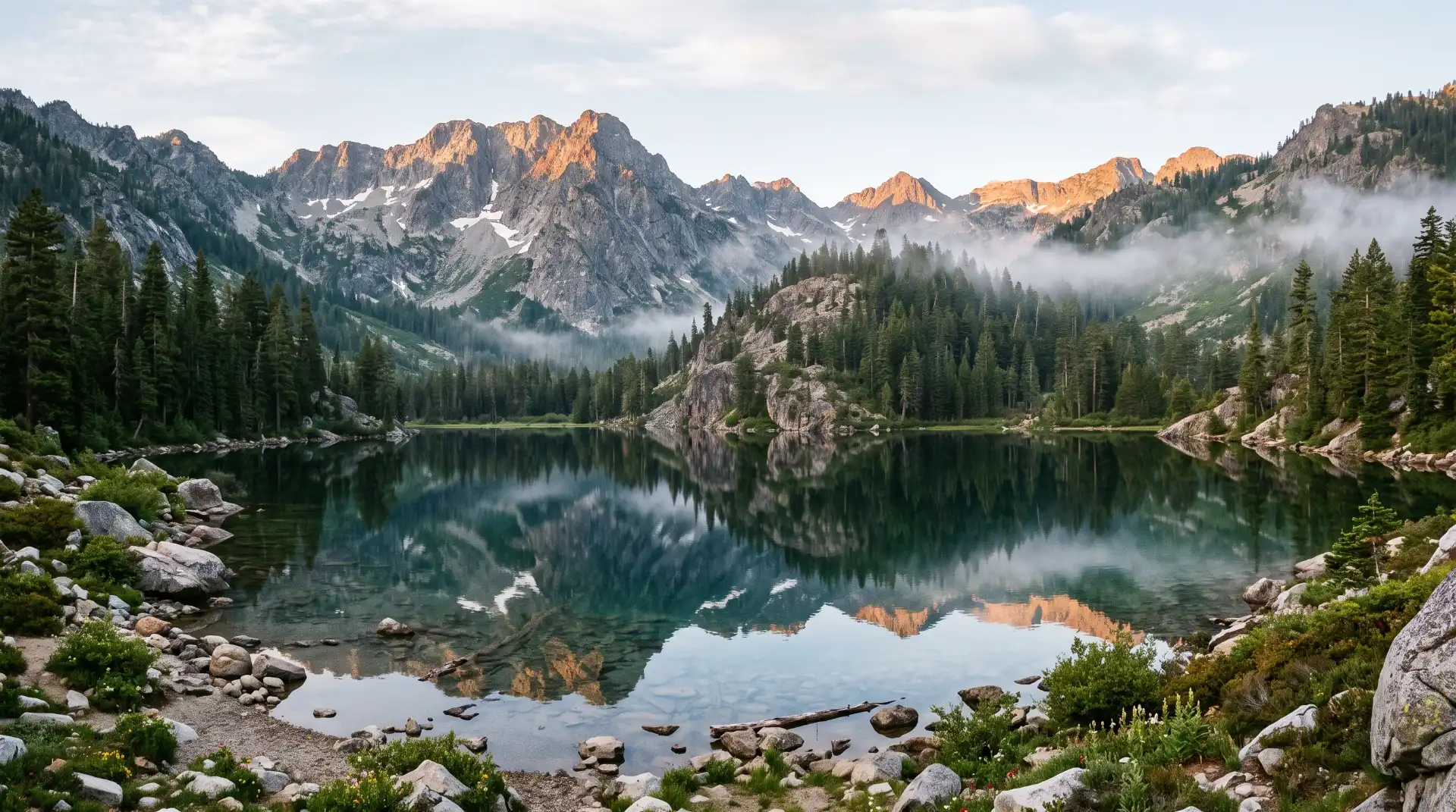
The Trinity Alps Wilderness is one of Northern California’s most rewarding destinations for hikers, backpackers, photographers, and outdoor enthusiasts. Located in the mountainous landscape of Trinity County and extending into surrounding forest lands, this remarkable region features rugged granite peaks, secluded alpine lakes, cascading waterfalls, forested valleys, wildflower meadows, and miles of trails that lead deep into the backcountry.
Unlike heavily developed recreation areas, the Trinity Alps offer a more natural experience. Many destinations require visitors to leave their vehicles behind and travel on foot, following mountain trails through forests and across rocky slopes. The effort can be demanding, but the reward is an opportunity to experience some of California’s most impressive mountain scenery away from busy highways and urban development.
The wilderness is particularly attractive during summer and early fall, when many higher-elevation routes become accessible and long daylight hours make day hikes and backpacking trips easier to plan. During spring, lower trails can provide opportunities to see wildflowers and flowing streams, while autumn brings cooler temperatures and quieter conditions.
However, the Trinity Alps are not a destination where visitors should underestimate preparation. Steep climbs, changing weather, snow-covered trails, cold streams, remote trailheads, and limited cell service can turn an ordinary outing into a difficult experience if hikers are unprepared.
This comprehensive guide explains how to plan a Trinity Alps Wilderness hiking adventure, which trails and alpine destinations deserve attention, when to visit, what equipment to bring, and how to explore responsibly.
Whether you are visiting Trinity County for the first time or returning to explore a different trail, understanding the region’s terrain and conditions will help you make the most of your trip.
1. Understanding the Trinity Alps Wilderness
The Trinity Alps Wilderness is a large protected mountain region associated with the Shasta-Trinity National Forest. Its landscape includes high granite ridges, deep valleys, conifer forests, mountain streams, and numerous lakes that attract visitors from across California and beyond.
The wilderness is known for its dramatic changes in elevation. Lower valleys may be warm and relatively dry during summer, while higher basins can retain snow well into the season. This variation creates diverse scenery and different hiking conditions within the same general region.
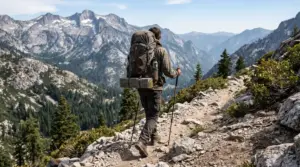
Some trails pass through shaded forests and along creeks, making them appealing for hikers who enjoy cooler surroundings and the sound of moving water. Other routes climb steadily toward exposed ridges, where panoramic views reveal the scale of the surrounding mountains.
The region’s size also means that not every destination is close to a major road or developed campground. A hike that appears straightforward on a map may involve substantial climbing, difficult footing, and several hours of travel before reaching the intended destination.
Visitors should begin by identifying the specific area they want to explore. Canyon Creek, Stuart Fork, Granite Creek, and other trail corridors provide different approaches to the wilderness, and each has its own access considerations.
The U.S. Forest Service provides official recreation information, trail resources, and forest alerts through the Shasta-Trinity National Forest website. Check current conditions before leaving home, especially if your trip depends on reaching a particular trailhead or alpine lake.
2. Best Time to Visit the Trinity Alps for Hiking
The best time for Trinity Alps Wilderness hiking depends on elevation, snowpack, weather, and the type of experience you want. Summer and early fall are often the most practical seasons for reaching higher mountain destinations, but conditions vary from year to year.
Spring: Waterfalls, Green Forests, and Wildflowers
Spring brings new growth to lower elevations, and streams can run strongly as snow melts from the surrounding mountains. Wildflowers may appear along sunny trail edges and forest clearings, creating colorful contrasts with the region’s evergreen trees.
This season can be particularly rewarding for visitors interested in photography and shorter hikes. Waterfalls and small cascades may be more impressive when water levels are high, although the same conditions can make creek crossings dangerous.
Higher trails may remain snow-covered, and muddy ground can slow progress. Hikers should not assume that a trail is accessible simply because the weather is pleasant in nearby communities.
Before planning a spring outing, check recent trail reports and the forecast for the elevation you expect to reach. Waterproof layers, appropriate footwear, and a willingness to turn around when conditions become unsafe are important.
Summer: The Main Season for Alpine Lakes
Summer is a popular time for reaching alpine lakes and planning longer hikes. As snow recedes, more routes may become accessible, and longer daylight hours provide greater flexibility for day trips and overnight adventures.
Lower trail sections can become hot and exposed, however. Begin early, carry adequate water, protect yourself from the sun, and avoid assuming that streams will remain dependable water sources throughout the dry season.
Summer weekends can bring more traffic to popular trailheads. Arriving early may make parking easier and give you more time to enjoy the route without rushing.
Fall: Cooler Weather and Mountain Views
Early fall can be an excellent season for hikers who prefer cooler temperatures and a quieter atmosphere. Forests, meadows, and mountain ridges take on different colors as the season changes, and clear mornings can provide excellent visibility.
The days are shorter, and overnight temperatures may drop considerably at higher elevations. Early snow can also affect access to exposed routes, so check the forecast and carry sufficient insulation.
For backpackers, fall planning should include an earlier turnaround time and a clear understanding of how quickly conditions could change.
Winter: Specialized Mountain Travel
Winter limits access to many high-elevation destinations because of snow, ice, and difficult road conditions. Some lower trails may remain accessible, but the region should not be treated as a conventional winter hiking destination without appropriate experience.
Snow travel can require specialized navigation skills and equipment. Depending on the route and conditions, additional winter hazards may need to be considered.
Visitors without relevant experience should choose lower-risk outings and seek current guidance from land managers before entering remote mountain terrain.
3. Best Hiking Trails in the Trinity Alps Wilderness
The Trinity Alps offer a wide range of hiking experiences, from relatively short forest walks to demanding routes that climb toward high mountain basins. The best trail for you depends on your fitness, available time, navigation skills, and interest in lakes, waterfalls, or panoramic views.
Always verify the current route, distance, elevation gain, access road, and trail conditions before departure. Distances in older guidebooks and online trip reports may not reflect current access or trail conditions.
Canyon Creek Trail and Canyon Creek Lakes
Canyon Creek is one of the best-known hiking corridors in the Trinity Alps. The area is popular for its combination of forested paths, mountain streams, waterfalls, and dramatic granite scenery.
The route toward Canyon Creek Lakes is particularly attractive to hikers looking for an alpine destination beneath towering mountain walls. The journey passes through changing terrain, and the surrounding scenery becomes increasingly dramatic as the trail progresses toward higher elevations.
The hike to the lakes is a substantial outing rather than a casual stroll. A commonly cited route is approximately seven miles to the lakes, but hikers must confirm the exact route and whether mileage refers to one-way or round-trip travel before planning. The elevation gain and trail conditions can make the hike more demanding than the distance alone suggests.
Experienced hikers may use the area as a starting point for additional exploration, but side trips should only be attempted when weather, daylight, navigation, and fitness allow.
Canyon Creek is also a good place to practice landscape photography. Waterfalls, granite formations, and forest openings provide many subjects, particularly when morning light reaches the valley.
Stuart Fork Trail
The Stuart Fork corridor provides access to forested mountain terrain and the interior of the Trinity Alps. It is worth considering for hikers who want to follow a longer trail beside streams and through changing mountain landscapes.
The route’s character varies according to how far you travel. A shorter walk can provide an introduction to the forest and creek scenery, while a longer excursion requires more careful planning and greater physical endurance.
Backpackers should evaluate the total distance, elevation changes, campsite rules, and water-crossing conditions before setting out. A trail that feels manageable on a light day hike may be considerably more difficult with a full pack.
Because remote trails can have limited signage and unreliable phone coverage, download maps before leaving and carry a backup navigation method.
Granite Creek Trail
Granite Creek offers another approach into the Trinity Alps and provides opportunities to explore the region’s forested valleys and mountain terrain.
It can be an appealing option for visitors who want to experience a different part of the wilderness rather than concentrating exclusively on its most photographed destinations. As with other trails in the region, the difficulty depends on the chosen endpoint and the conditions along the route.
Research the correct trailhead and access road before departure. Some forest roads are rough or subject to seasonal limitations, and navigation applications may not always provide the most appropriate route for your vehicle.
East Weaver Lake
East Weaver Lake can be an attractive option for hikers seeking a mountain lake experience without immediately committing to a long backcountry expedition. Forest and granite scenery make the area appealing to visitors interested in a shorter outing.
A short route does not automatically mean that every visitor will find it easy. Climbs, uneven ground, heat, and the condition of the trail can all affect the experience.
Check current access information and carry basic hiking supplies, even when planning a relatively brief walk. Allow enough time to enjoy the destination and return safely.
Big Boulder Lake and Little Boulder Lake
The Boulder Lakes area offers another opportunity to experience the contrast between granite formations, forested slopes, and mountain water. The surrounding landscape can be especially striking for photographers who enjoy combining geological features with natural scenery.
When planning a hike to either lake, confirm the route and trail conditions rather than relying on a general description. The terrain around mountain lakes can include uneven rock, steep slopes, and sensitive vegetation.
Stay on durable surfaces, avoid unsafe scrambling, and protect the shoreline from unnecessary disturbance.
Pacific Crest Trail Access
The Pacific Crest Trail provides another way to experience the wider mountain landscape around Trinity County. Hikers can select a suitable section for a shorter outing or incorporate a segment into a longer itinerary.
The PCT is a long-distance route, and its presence does not guarantee that a particular section is easy or accessible. Some trailheads are remote, and access roads may be rough or affected by seasonal closures.
For visitors who want to experience the trail without committing to a long-distance journey, a carefully selected out-and-back hike can be a practical option.
Choosing the Right Trail for Your Group
Beginners should select a route with a clear destination, manageable elevation gain, and sufficient time for the return journey. Experienced hikers may prefer longer routes to alpine lakes or high basins, but should not overlook weather, navigation, and emergency planning.
Families should consider the abilities of the youngest or least experienced person in the group. A trail with uneven footing, exposure, or cold stream crossings may not be suitable for every child, even if the distance seems reasonable.
For more ideas about attractions and outdoor activities across the county, explore our guide to 10 Amazing Things to Do in Trinity County, California.
4. Alpine Lakes: The Highlight of Many Trinity Alps Hikes
The alpine lakes of the Trinity Alps are among the region’s most memorable natural attractions. Surrounded by granite peaks, evergreen forests, and rocky slopes, these lakes provide a striking contrast to the warmer valleys below.
Many require a substantial hike to reach, which helps preserve their remote atmosphere. The effort is part of the experience: visitors travel through changing landscapes before arriving at water surrounded by mountain scenery.
What Makes the Alpine Lakes Special?
On calm mornings, a lake’s surface may reflect the surrounding peaks and forest. Later in the day, wind creates ripples that transform the reflections into constantly changing patterns.
Some lakes sit beneath impressive granite walls, while others are surrounded by meadows or dense conifer forests. These differences make each destination distinctive and give hikers reasons to explore more than one part of the wilderness over time.
The lakes are also valuable ecological environments. Cold water, short growing seasons, and limited soil make alpine ecosystems sensitive to disturbance.
Visitors should avoid trampling shoreline vegetation or leaving food scraps behind. Even small amounts of litter can detract from the experience and affect wildlife.
Planning an Alpine Lake Hike
Before leaving for a lake, determine the total distance, elevation gain, expected hiking time, and condition of the approach. Snow may remain on higher routes even when the trailhead is clear, and water crossings can become dangerous during periods of strong snowmelt.
Carry sufficient drinking water or a reliable treatment method. Clear mountain water is not automatically safe to drink, as it may contain microorganisms from wildlife or upstream contamination.
If you plan to swim, remember that alpine lakes can be extremely cold. Avoid jumping from rocks, entering unfamiliar water, or swimming where currents, underwater obstacles, or steep drop-offs may be present.
Allow enough time to enjoy the destination without putting yourself under pressure to return after dark. A successful lake hike should include a safe return, not just reaching the water.
5. Waterfalls and Mountain Streams
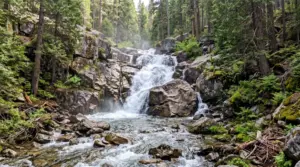
Water is one of the defining features of the Trinity Alps. Snowmelt and seasonal rainfall feed creeks that flow through forested valleys, pass over granite, and form cascades along mountain trails.
Spring and early summer can be rewarding times to see waterfalls, although the intensity of the flow depends on recent weather and snow conditions.
Finding Waterfalls Along Hiking Routes
Use official maps and current trail information to identify water features accessible from established routes. Some cascades are close to a trail, while others require difficult approaches that may be unsafe.
Do not assume that a waterfall shown in a photograph is a short walk from a parking area. Check the exact location, terrain, and access conditions before setting out.
Wet granite can be extremely slippery, and the area immediately beside a waterfall may be more hazardous than it appears. Stay away from unstable edges and avoid climbing above cascades for a better view.
Creek Crossings Require Special Care
Mountain streams can rise quickly during snowmelt and after heavy rainfall. Even relatively narrow creeks can have powerful currents and slippery rocks.
If a crossing appears unsafe, do not attempt it simply because you have already hiked several miles. Turning around may be disappointing, but it is preferable to risking a fall into cold, fast-moving water.
Trekking poles and sturdy boots can help on some terrain, but they do not make a dangerous crossing safe. Choose a different route or postpone the hike when necessary.
Photographing Moving Water
Waterfalls and creeks offer opportunities to capture motion, texture, and the contrast between water and rock. A tripod can help when using longer exposures, while a faster shutter speed can preserve the detail of individual droplets.
Keep your camera equipment protected from spray and make sure your footing is secure before composing a photograph. Never enter hazardous water or approach an unstable ledge to obtain a particular shot.
6. Wildlife and Wildflowers in the Trinity Alps
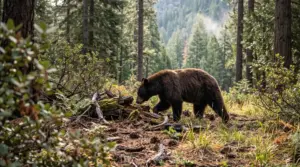
The Trinity Alps provide habitat for numerous animals and native plants. Depending on the location and season, hikers may encounter deer, squirrels, chipmunks, birds of prey, black bears, and other wildlife.
Wildlife sightings are never guaranteed, and visitors should not approach animals to obtain photographs. Use a zoom lens when appropriate, remain at a safe distance, and allow animals to move away naturally.
Staying Safe in Bear Country
Black bears inhabit parts of the region, making proper food storage an important part of hiking and backpacking preparation.
Keep food, garbage, toiletries, and other scented items secured according to current Forest Service guidance. Never leave food unattended or feed an animal, even if it appears accustomed to people.
If you encounter a bear, avoid approaching it or blocking its path. Give the animal room to leave, remain aware of your surroundings, and follow current agency advice for wildlife encounters.
Mountain lions also inhabit parts of Northern California. Although encounters are uncommon, visitors should remain alert, supervise children, and never approach wildlife or young animals.
Enjoying Seasonal Wildflowers
Wildflower displays vary according to elevation, rainfall, and snowmelt. Lower meadows may bloom earlier, while higher basins may not show their strongest displays until later in the season.
Look for flowers along established trails and forest openings, but avoid walking through delicate meadows to get closer. Plants growing at high elevations may recover slowly from trampling because their growing season is short.
Photographs can help preserve the memory of a wildflower display without damaging the plants. A close-up image of a bloom can complement wide mountain photographs and reveal another side of the Trinity Alps landscape.
7. Backpacking in the Trinity Alps Wilderness
Backpacking gives visitors the opportunity to spend more time in the mountains and explore destinations beyond the reach of a typical day hike. An overnight trip can provide quiet evenings, early morning light, and a deeper connection with the landscape.
However, carrying equipment into remote terrain requires careful planning. Shelter, sleeping gear, food, clothing, navigation equipment, and emergency supplies all add weight, and steep climbs can become considerably harder with a loaded pack.
Plan a Realistic Itinerary
Choose an overnight destination based on your group’s fitness, experience, and available time. Do not select a route solely because its lake or campsite appears popular online.
Calculate the distance for each day and account for elevation gain, breaks, water crossings, and the time needed to establish camp. Build in a margin for delays caused by weather, trail conditions, or navigation mistakes.
For a first backpacking trip in the Trinity Alps, a shorter route with a clear destination is often preferable to an ambitious loop. Learn how your equipment performs before attempting a more remote journey.
Check Permit and Camping Requirements
Before departure, confirm current wilderness permit requirements, group-size limits, camping restrictions, and fire regulations. Rules may vary by location and activity, and seasonal restrictions can change.
Do not assume that information from an older article remains current. Contact the appropriate ranger station or consult the official Forest Service website before relying on a particular rule.
Choose a Responsible Campsite
Use established campsites where available and permitted. Avoid camping on fragile meadows or trampling vegetation to create a flat tent area.
Follow current requirements governing how far campsites must be from lakes, streams, trails, and other sites. Sensitive shorelines are particularly vulnerable to repeated use, so do not assume that the most convenient place beside the water is an appropriate campsite.
Keep food secured, minimize noise, and leave the area clean when you depart. The goal is to preserve the natural experience for the next visitor.
Food, Cooking, and Waste
Choose meals that provide sufficient calories without adding unnecessary weight. Oatmeal, nuts, dried fruit, energy bars, and lightweight dehydrated meals can be practical choices for many trips.
Carry an appropriate stove and enough fuel for your itinerary, and verify that its use is allowed under current restrictions. Fire conditions in California can change quickly during the dry season.
Pack out food wrappers, containers, and leftover items. Dispose of human waste according to the current wilderness rules and instructions for the specific area. Never dispose of waste or soap directly in a lake or stream.
8. Essential Hiking Gear for a Safe Trip
Your equipment should match the season, route, and length of the hike. A short summer walk near a trailhead does not require the same equipment as a remote overnight trip, but every hiker should be prepared for unexpected delays.
Footwear and Clothing
Wear hiking shoes or boots that fit properly and provide dependable traction. Break in new footwear before attempting a demanding trail, and carry blister-care supplies if you are prone to foot problems.
Layering makes it easier to adapt to changing mountain temperatures. A moisture-managing base layer, insulating layer, and weather-resistant outer shell provide flexibility when conditions change.
Even in summer, carry extra warmth for exposed ridges and unexpected delays. A hat, sunglasses, sunscreen, and suitable socks can also make a substantial difference during a long day outdoors.
Navigation and Communication
Cell service can be unreliable in remote parts of the Trinity Alps. Download maps for offline use and carry a paper map and compass if you know how to use them.
Review the route before departure and identify important junctions, potential hazards, and turnaround points. A phone should be treated as one navigation tool rather than your only source of information.
For remote backpacking trips, consider a satellite communicator or personal locator beacon appropriate to your needs. Learn how to operate the device before leaving home and make sure someone knows your intended route.
Water and Emergency Supplies
Carry sufficient water for the expected conditions and bring an effective treatment system if you plan to refill from natural sources. Hot weather and sustained climbing can increase fluid requirements.
Food, a first-aid kit, a headlamp, extra power, a whistle, repair supplies, and emergency insulation are useful components of a hiking kit. For remote trips, consider an emergency shelter and other equipment appropriate to the route.
Your equipment should reflect the risks of the outing. Do not reduce essential safety gear simply to make a pack lighter.
9. Weather, Elevation, and Wilderness Safety
Mountain conditions can change quickly, and the rugged terrain of the Trinity Alps deserves respect. A hike that begins under clear skies may become difficult if clouds, rain, wind, or snow move into the area.
Check the Forecast and Trail Reports
Review weather information for the specific location and elevation you intend to visit. Conditions in Weaverville may differ substantially from those near a high alpine lake.
Thunderstorms can make exposed ridges and summits dangerous. Snow can obscure trail markers, while rain can make rocky surfaces slippery and increase stream levels.
Check road access as well as trail conditions. A destination may be accessible in principle while the road leading to it is affected by seasonal closures, maintenance, or storm damage.
Recognize the Effects of Elevation
High-elevation hiking can be more strenuous than walking at lower elevations. Steep climbs, thinner air, heavy packs, and heat can increase fatigue.
Maintain a comfortable pace and take breaks before exhaustion sets in. If someone develops unusual shortness of breath, dizziness, severe headache, confusion, or other concerning symptoms, stop and assess the situation. Severe symptoms require urgent attention and may mean descending or seeking emergency help.
Have a Communication Plan
Tell a trusted person where you are going, which route you intend to follow, and when you expect to return. Explain what action they should take if you fail to check in.
Include useful details such as the trailhead and vehicle information when appropriate. If your plans change substantially, communicate the update whenever possible.
A clear plan can help others understand where to begin looking if an emergency occurs in an area with limited connectivity.
10. Leave No Trace and Protect the Wilderness
The Trinity Alps are valuable because of their natural beauty and relatively undeveloped character. Visitors can help preserve these qualities by reducing their impact on trails, water, wildlife, and campsites.
Stay on established trails wherever possible. Walking around muddy sections can widen a path, while cutting switchbacks can accelerate erosion on steep slopes.
Pack out all trash, including food scraps, tissues, and small pieces of packaging. Items that appear biodegradable may take a long time to break down in a cold mountain environment.
Use toilets where available and follow current wilderness instructions for human waste disposal. Keep soap, food waste, and other contaminants away from lakes and streams.
Respect other hikers by keeping noise low and allowing people to enjoy the quiet surroundings. Do not disturb wildlife, damage trees, or collect natural features as souvenirs.
Fire safety is particularly important during California’s dry season. Check current fire restrictions before your trip and use only permitted equipment and methods. Never leave a fire unattended, and do not assume that campfires are allowed because another visitor has built one.
11. Photography Tips for the Trinity Alps
The Trinity Alps provide opportunities for landscape, wildlife, and outdoor adventure photography. Granite peaks, reflective lakes, forest trails, and moving water offer a variety of subjects throughout the day.
Early morning and late afternoon often produce softer light than midday. Low-angle sunlight can emphasize the texture of granite and create longer shadows across mountain slopes.
At alpine lakes, look for reflections when the water is calm. A rock, tree, or nearby trail can provide a foreground element that creates depth and gives the viewer a sense of scale.
When photographing waterfalls, experiment with shutter speeds to capture either detailed water droplets or a softer flowing effect. Keep your footing secure, protect your equipment from spray, and avoid unstable edges.
Wildlife photography requires patience and respect. Use a zoom lens rather than moving closer to an animal, and never feed wildlife or disturb an animal to improve a composition.
12. Where to Stay Before and After Your Hike
Trinity County offers several options for visitors who want to combine hiking with a longer outdoor vacation. Depending on your plans, you may stay in a developed campground, a permitted wilderness campsite, or lodging in a nearby community.
Weaverville can be a convenient base for visitors who want access to local services, restaurants, and the wider county road network. Staying nearby before an early start can reduce morning driving and provide time to organize supplies.
Developed campgrounds may be suitable for families and travelers who prefer vehicle access and established facilities. Wilderness camping, by contrast, requires visitors to carry all necessary supplies and manage waste responsibly.
If you are extending your visit, consider combining your hike with time at Trinity Lake, scenic mountain drives, or a visit to a historic community. Our guide to The Ultimate Guide to Trinity Lake: Boating, Fishing and Outdoor Fun offers ideas for planning additional outdoor activities in the area.
You can also explore Historic Weaverville and its Gold Rush attractions if you want to add local history, museums, and downtown shops to your itinerary.
Before booking, confirm campground availability, reservation requirements, seasonal opening dates, and road access. Conditions can vary by year and by location.
13. Sample Itineraries for Different Hikers
A well-planned itinerary helps you enjoy the Trinity Alps without rushing or taking unnecessary risks. The following examples are general planning frameworks, not fixed routes; confirm actual distances, trail access, and current conditions before departure.
A Relaxed One-Day Nature Trip
Choose a shorter, accessible trail with a clearly defined destination and a comfortable turnaround point. Spend the morning exploring the forest, watching for wildlife, and photographing streams or mountain views.
Bring lunch and take a break on durable ground away from sensitive vegetation and water edges. Allow sufficient time to return to the trailhead before dark, even if the route appears straightforward.
This approach is ideal for visitors who want to experience the region without carrying overnight equipment or committing to a strenuous climb.
A Full-Day Alpine Adventure
Experienced hikers can select a longer route toward a lake basin or mountain viewpoint. Start early, carry enough food and water, and establish a turnaround time before beginning the hike.
Monitor your progress and the remaining daylight rather than focusing exclusively on reaching the destination. If snow, weather, or difficult footing slows your pace, turn around while you still have a comfortable margin.
A successful mountain day is one in which everyone returns safely, even if the original destination remains out of reach.
A Two-Day Backpacking Trip
Choose an overnight route that matches your group’s fitness and experience. Reach your campsite with enough daylight to organize equipment, prepare dinner, and secure food properly.
On the second day, consider a short exploration of the surrounding area or a return along the same trail. Avoid adding an ambitious side trip unless your schedule, equipment, and weather conditions support it.
This type of itinerary provides time to enjoy the quiet atmosphere of the mountains without making the logistics unnecessarily complicated.
14. Frequently Asked Questions
Is the Trinity Alps Wilderness suitable for beginners?
Some shorter routes may suit beginners, but the wilderness as a whole includes steep and remote terrain. Choose a trail based on distance, elevation gain, footing, and current conditions rather than popularity alone. New hikers should begin with a manageable route and avoid remote destinations requiring advanced navigation.
When is the best time to hike to alpine lakes?
Summer and early fall are often popular seasons for reaching alpine lakes, but snowpack and weather vary each year. Higher trails may remain snow-covered after lower routes become accessible, so check current conditions before choosing your dates.
Do I need a permit for backpacking?
Permit requirements depend on the activity and location. Confirm current wilderness camping rules, group-size limits, and fire restrictions with the appropriate Forest Service office before departure.
Is swimming allowed in alpine lakes?
Swimming may be possible at some lakes, but conditions vary and the water can be extremely cold. Avoid jumping from rocks or entering unfamiliar water, and follow any posted restrictions.
Are dogs allowed on Trinity Alps hiking trails?
Check the rules for your specific route and destination before bringing a dog. Where pets are permitted, keep them under control, prevent wildlife harassment, pack out pet waste, and consider whether the terrain and temperature are suitable for your animal.
Is cell phone service available?
Cell service can be limited or nonexistent in remote mountain terrain. Download maps in advance, carry backup navigation, and consider a satellite communication device for remote trips.
How difficult are Trinity Alps trails?
Difficulty ranges from relatively short walks to strenuous hikes with long climbs, rocky terrain, and substantial elevation gain. Fitness, experience, pack weight, and current conditions all influence how difficult a trail will feel.
15. Plan Your Trinity Alps Hiking Adventure
The Trinity Alps Wilderness offers an outstanding combination of alpine lakes, granite peaks, forest trails, waterfalls, wildlife, and opportunities for quiet exploration. Whether you are planning a short nature walk, a challenging day hike, or a multi-day backpacking trip, the region rewards visitors who prepare carefully.
Choose a route that matches your ability, check current access and weather conditions, carry appropriate equipment, and understand the regulations that apply to your destination. Take particular care around cold streams, exposed ridges, and remote trail sections where help may be far away.
Respect the environment by staying on established trails, securing food, packing out all waste, and following current fire restrictions. These small decisions help protect the wilderness for future hikers.
Most importantly, allow yourself time to appreciate the journey. A quiet creek, sunlight falling across granite, a wildflower beside the trail, or a reflection on an alpine lake can become the most memorable part of your visit.
With thoughtful preparation and respect for the landscape, Trinity Alps Wilderness hiking can provide a rewarding introduction to one of Northern California’s most beautiful mountain regions.